 Global humanitarian aid guide
Donate responsibly
Use official appeal pages, charity registers and recognised humanitarian organisations. Avoid private payment requests and unverified social posts.
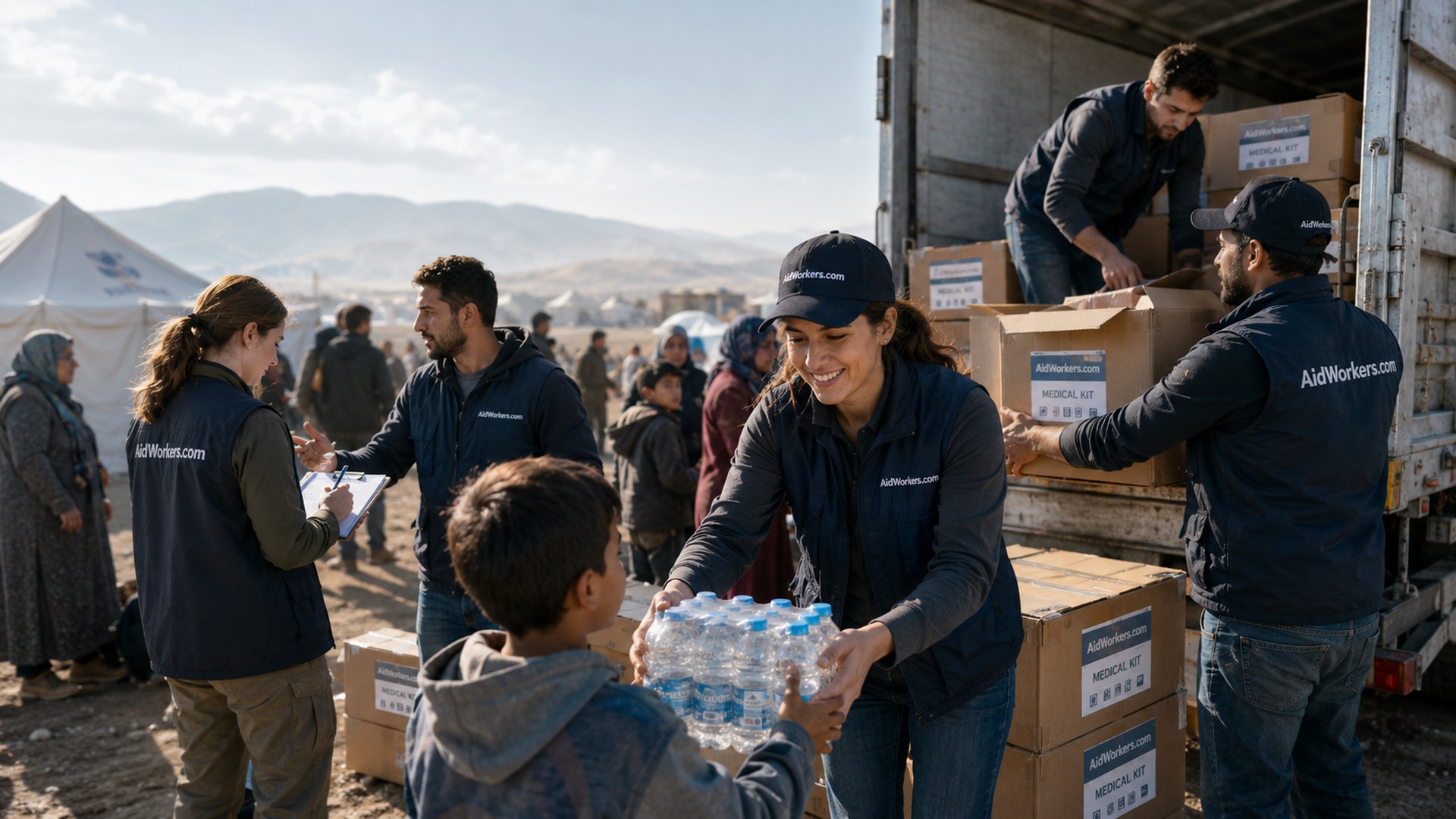
Disaster relief moves quickly after floods, earthquakes, storms and sudden crises, but good relief also protects dignity and accountability.
Use official appeal pages, charity registers and recognised humanitarian organisations. Avoid private payment requests and unverified social posts.
Use crisis explainers to understand food aid, medical aid, shelter, water, protection and cash assistance before acting.
AidWorkers.com is the corporate and professional home for people working in aid, humanitarian careers and field resources.
Humanitarian context
This page connects disaster relief with practical humanitarian aid, trusted sources, responsible public action and the work behind emergency response.
People often arrive here through searches such as disaster relief, disaster relief charities, disaster relief organizations, donate to disaster relief. Those searches can happen during frightening and fast-moving events, so the page is written to make action calmer, safer and more useful.
Humanitarian context
Effective support is not just emotion. It is funding that reaches credible organisations, attention that continues after the news cycle, and public language that does not exploit people’s suffering.
Good humanitarian action combines speed with safeguarding, access, logistics, local knowledge and accountability to affected communities.
Humanitarian context
Aid workers include local responders, logisticians, nurses, water engineers, protection specialists, drivers, warehouse teams, translators, finance staff and community volunteers. Much of the life-saving work happens away from cameras.
AidWorkers.com remains the professional home for aid-worker careers and field resources; these public sites focus on public understanding and responsible support.
Trusted source routes
Use primary humanitarian and charity sources when checking crisis claims, donation appeals and public information.
Questions people ask
Disaster relief is part of humanitarian response and public support for people affected by crisis, displacement, disaster, hunger or conflict.
Give through trusted appeals, check official source links, avoid unverified fundraisers and keep attention on crises after the first headline.
AidWorkers.com is the professional and corporate site for people working in aid, humanitarian careers, NGO jobs and field resources.
Take action
Use trusted appeals, check sources before sharing, and keep attention on people affected by crisis after the first headline has passed.